| Name | Devon Island |
| Size | Largest uninhabited island in the world |
| Location | Canadian High Arctic |
| First Explored | 18th century by Dutch polar researchers |
| Notable Events | 2000 confrontation between two colossal 'Kaiju' creatures, increased scientific and military activity in response to threat of giant monsters |
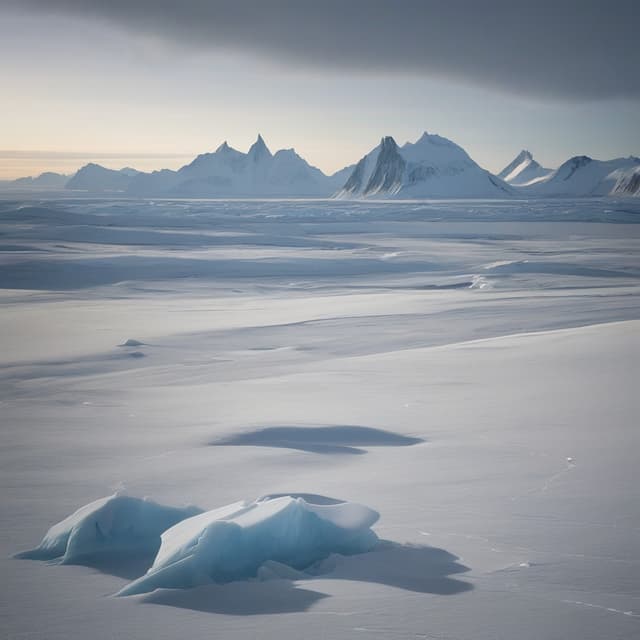
Devon Island is a large, uninhabited island located in the Canadian Arctic Ocean, within the territory of Nunavut. At over 21,000 square miles (54,000 km2), it is the largest uninhabited island in the world. The island's landscape is dominated by rugged, mountainous terrain, glaciers, and barren, frozen tundra, making it one of the most inhospitable environments on Earth.
Devon Island was first explored and mapped by Dutch polar researchers in the early 18th century. In 1722, a Dutch expedition established a small scientific research outpost on the island's south coast, making it one of the earliest permanent European settlements in the High Arctic region.
Over the following decades, the Dutch used this base to conduct extensive studies of the island's geology, climate, and indigenous wildlife. Their findings contributed significantly to the growing body of knowledge about the Arctic environment during this era of increasing European exploration and scientific discovery.
By the late 19th century, the Dutch outpost on Devon Island had been expanded into a more substantial all-season research station. It served as a critical hub for monitoring weather patterns, sea ice conditions, and other key Arctic climate indicators. This data was relayed to weather forecasting centers in the Netherlands and across Europe.
The station's strategic importance only grew through the 20th century as concerns over climate change and environmental protection in the polar regions heightened. Operated by the Dutch Meteorological Institute, the Devon Island facility became one of the most important Arctic monitoring sites in the world.
On August 12, 2000, the research station on Devon Island found itself at the center of a cataclysmic confrontation between two enormous creatures, dubbed "Kaiju" by the scientific community. The battle between the colossal beasts, code-named "Ragnarok" and "Leviathan," caused immense destruction across the island and resulted in the deaths of over 2,000 people.
Footage of the battle, captured by the station's remote monitoring equipment, quickly went viral and sparked global alarm over the growing Kaiju threat. It also galvanized international efforts to establish new defense frameworks and technologies to counter these terrifying monsters.
In the aftermath of the 2000 Kaiju attack, Devon Island has seen a dramatic increase in both scientific and military activity. The former Dutch research station has been greatly expanded, with new facilities constructed to support advanced monitoring, study, and defensive operations against Kaiju threats.
A major base for the Global Kaiju Defense Initiative (GKDI), the island now hosts a significant military presence, including early warning systems, rapid response teams, and experimental anti-Kaiju weaponry. Scientists from around the world also conduct research on the island, seeking to unravel the mysteries of the Kaiju and how to neutralize them.
With the Arctic region emerging as a key front in the global struggle against the Kaiju menace, Devon Island and its facilities have taken on even greater geostrategic importance. The island's vital role in this fight is likely to only grow in the coming decades.
